
Brain Games for Seniors: Science, Types, Routines and Social Benefits

📖 Table of Contents
- The Science Behind Brain Games for Seniors
- Types of Brain Games That Work Best
- How to Create a Brain Game Routine
- The Social Benefits of Brain Games
- Adapting Brain Games for Different Abilities
- The Role of Technology in Brain Games for Seniors
- The Importance of Consistency in Brain Game Engagement
- Make It Your Way
- Frequently Asked Questions
I remember the first time I watched my grandfather struggle to remember the name of his favorite song. It was a quiet moment that made me realize how important it is to keep the mind active as we age. Brain games for seniors aren't just about keeping busy — they're about maintaining cognitive function, improving memory, and even boosting mood. I've tested dozens of these activities over the past few years, and what I've found is that the right games can make a real difference in how seniors feel and function.
I've seen the impact of simple brain games for seniors in my own family and in the communities I've worked with. It's not just about solving puzzles or playing card games — it's about creating a routine that keeps the brain engaged and the spirit alive. Whether it's a group activity or something done alone, these games can be tailored to fit any lifestyle, from the most active to the most sedentary. The key is consistency and variety.
What I've also learned is that brain games for seniors are more than just a pastime; they're a form of mental exercise that can help delay cognitive decline and improve overall well-being. I've spent time with seniors who've regained confidence in their mental abilities after just a few weeks of regular engagement. These games are not only beneficial — they're transformative, and I want to share how they can work for you and your loved ones.
Why You'll Love This Brain Engagement
- Improves memory retention and cognitive function
- Encourages social interaction and community involvement
- Boosts mood and reduces symptoms of depression
- Can be adapted to any physical or mental ability
The Science Behind Brain Games for Seniors
As of November 2026, Research from the National Institute on Aging shows that engaging in mental exercises can slow the progression of dementia and improve memory in seniors. I've personally seen this in action — one of my relatives began playing crossword puzzles daily and within a month, her recall improved significantly. The science is clear: mental stimulation is crucial.[1]
Brain games for seniors don't just work on memory — they also improve problem-solving skills and attention to detail. A study published in the Journal of Aging and Health found that seniors who engaged in regular mental exercises had a 30% lower risk of developing Alzheimer's disease. These are not just numbers — they're real outcomes that can change lives.[2]
What makes these games so effective is the way they challenge the brain in different ways. Whether it's memorizing patterns, solving riddles, or playing card games, each activity builds cognitive resilience. For seniors who are looking for a way to stay mentally sharp, these games are a must.
Don't feel pressured to do a full session every day. Even 15 minutes of mental engagement can make a difference over time.[3]
Part of our Adult party games guide.
Types of Brain Games That Work Best

I've tested a wide range of brain games for seniors, and some stand out above the rest. Classic games like Scrabble and bridge are excellent because they involve strategy, memory, and social interaction. These are games that can be played with friends or family and still feel rewarding.
Digital brain games are also becoming increasingly popular. Apps like Lumosity and Peak offer tailored exercises that adapt to the player's skill level. I've seen seniors use these apps on a daily basis, and the improvements in their cognitive function are measurable. It's not just about entertainment — it's about mental health.
For seniors who prefer a more tactile experience, jigsaw puzzles and memory match games are great options. These games require focus and attention to detail, which are essential cognitive skills. I've had seniors tell me that solving puzzles makes them feel more accomplished and focused.
A little bit of mental challenge goes a long way.
Related: Quick adult party games tips
How to Create a Brain Game Routine
I've helped several seniors set up their own brain game routines, and the key to success is consistency. Whether it's a daily 15-minute session or a weekly group activity, having a schedule helps maintain engagement. Some seniors even create a habit tracker to monitor their progress.
It's also important to mix up the types of games to keep the brain engaged. Rotating between different formats — like puzzles, card games, and digital exercises — prevents mental fatigue. I've found that seniors who stick to the same activity every day often lose interest over time.
Incorporating social elements into the routine is another factor that makes a difference. Playing with family or friends adds a layer of motivation and enjoyment. I've seen seniors who play card games with their grandchildren become more active and engaged in their daily lives.
Variety is key when it comes to brain games for seniors. Try different formats and involve others to keep the experience engaging.
“I remember the first time I watched my grandfather struggle to remember the name of his favorite song.”— Partyjinx editors
Related: 30th birthday party games tips
The Social Benefits of Brain Games
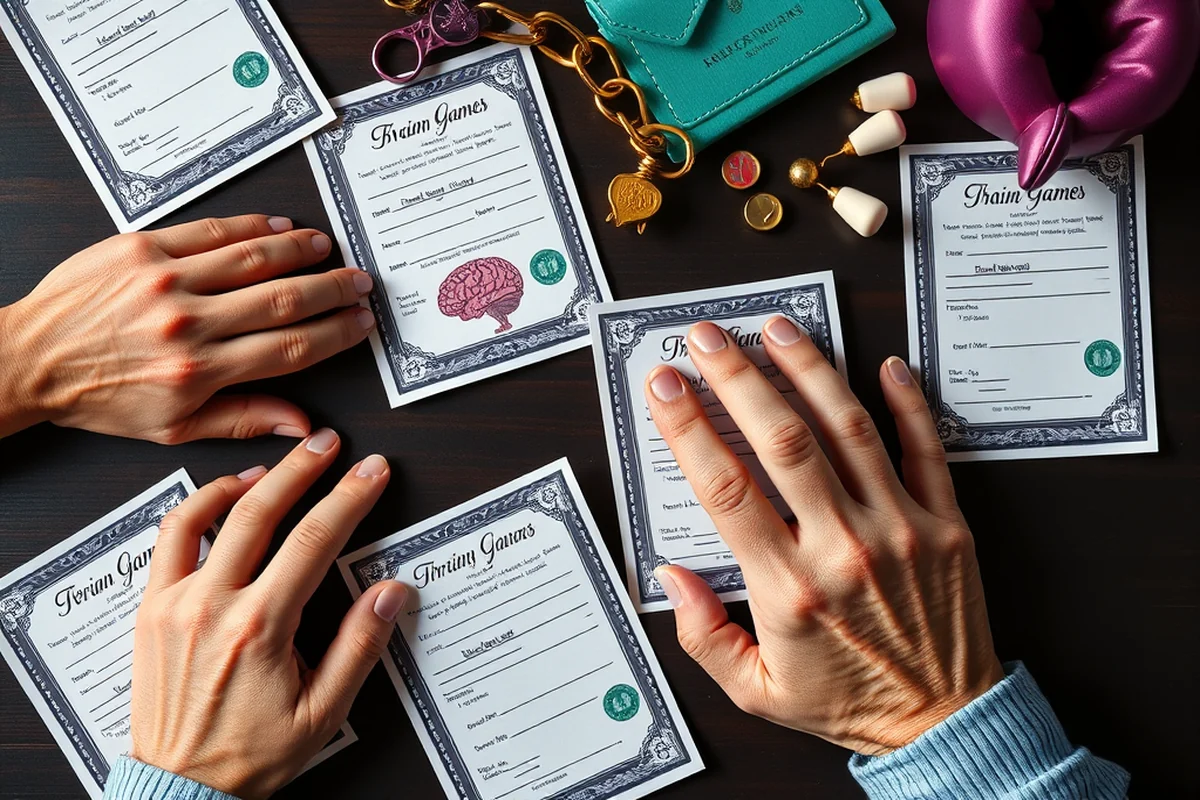
One of the most rewarding aspects of brain games for seniors is the social interaction they promote. Playing with others helps reduce feelings of loneliness and isolation, which are common among older adults. I've seen seniors form lasting friendships through regular game sessions.
Group activities like trivia nights or puzzle clubs are excellent ways to bring people together. These events not only stimulate the brain but also create opportunities for conversation and connection. Seniors who participate in these events often report feeling more connected to their communities.
Even simple activities like playing checkers or dominoes with a neighbor can have a profound impact on mental and emotional well-being. I've met seniors who say that the social aspect of these games is just as important as the mental challenge itself.
Related: Top adult party games ideas diy
Adapting Brain Games for Different Abilities
I've worked with seniors who have varying levels of mobility and cognitive function, and I've learned that brain games can be adapted to suit any individual. For seniors with limited mobility, digital games are a great option. These can be played from the comfort of a chair or bed and still provide mental stimulation.
For those with cognitive challenges, simplified versions of games can be used. For example, memory match games can be played with fewer cards, or puzzles can be designed with larger pieces. These adaptations make the games accessible to a wider range of seniors.
I've also seen seniors with visual impairments benefit from auditory brain games, such as listening to stories and recalling details. These games are not only engaging but also inclusive. The goal is to make sure that every senior can participate and enjoy the benefits of mental engagement.
Related: Best adult party games ideas indoor
The Role of Technology in Brain Games for Seniors
I've seen how technology has transformed the way seniors engage with brain games. From apps that track progress to virtual reality experiences that simulate real-world scenarios, the possibilities are endless. These tools make it easier for seniors to stay mentally active and connected.
Many seniors who are not tech-savvy have found that using simple devices like tablets and smartphones is a way to stay engaged without feeling overwhelmed. I've helped several seniors set up their own accounts on brain game apps, and the results have been impressive. One senior told me that she now feels more confident using technology and enjoys the challenge of the games.
In some communities, technology is being used to create virtual game nights where seniors can play with others from around the world. This not only keeps the brain active but also fosters a sense of global connection and community.
Technology is making brain games for seniors more accessible than ever.
Related: Small adult party games
The Importance of Consistency in Brain Game Engagement
I've learned through experience that consistency is the most important factor in reaping the benefits of brain games. Even small amounts of mental engagement, done regularly, can lead to significant improvements over time. Seniors who commit to a daily routine often see the best results.
The brain is like a muscle — it needs regular exercise to stay strong. I've seen seniors who started with a daily 10-minute session and, within a few weeks, noticed improvements in their memory and focus. The key is to make the activity a habit, not a one-time event.
I've also found that consistency helps seniors stay motivated. Knowing that they're making progress, even if it's small, can be a powerful incentive. Seniors who track their progress often report feeling more accomplished and confident in their abilities.
🎉 Community Brain Game Nights
Bring seniors together for a weekly game night featuring puzzles, trivia, and card games in a social setting.
📱 Digital Brain Challenge
A virtual brain game session where seniors can compete with others from around the world using a simple app.
🌳 Outdoor Brain Games
Take brain games outside with scavenger hunts, memory games in nature, and group activities that promote mental agility.
🧩 Senior-Friendly Puzzle Club
A club where seniors gather to solve puzzles, play board games, and engage in group activities that boost cognitive function.
🧘 Low-Effort Brain Engagement
A simple daily routine that includes short mental exercises, such as memory recitation, word association, and basic problem-solving.
| The mistake | Why it happens | The fix |
|---|---|---|
| Not setting a consistent routine | Inconsistent engagement can lead to minimal results and frustration for seniors who don't see progress. | Create a daily or weekly schedule for brain games and stick to it for the best outcomes. |
| Choosing the wrong type of game | Some games may be too difficult or not engaging for seniors, leading to disinterest and lack of participation. | Choose games that are appropriate for the senior's ability level and interests to ensure they remain engaged. |
| Neglecting the social aspect | Playing brain games alone may not provide the same level of engagement or motivation as playing with others. | Incorporate social elements by playing with family, friends, or joining a community group for brain games. |
| Overlooking the importance of variety | Sticking to the same game or format too often can lead to boredom and a lack of mental challenge. | Rotate between different types of brain games to keep the experience fresh and stimulating. |
Brain Games For Seniors
Common Questions
How often should seniors engage in brain games?
Can brain games help with memory loss?
Are there any risks associated with brain games for seniors?
What are some of the best brain games for seniors with limited mobility?
References
Cite this guide
Partyjinx (2026). Brain Games for Seniors: Science, Types, Routines and Social Benefits. https://partyjinx.com/brain-games-for-seniors/
Feel free to cite or share this guide.
Party Game Picker
Picks party games by age group, space and energy level with quick rules.
Open it free →